Introduction
In the high-stakes world of emergency situation medicine, understanding hospital codes and protocols is critical for Basic Life Support (BLS) companies. The capacity to effectively browse these systems can suggest the distinction in between life and death. This thorough overview aims to gear up BLS companies with essential understanding relating to medical facility codes, methods, and useful abilities necessary for supplying efficient care in emergency situation situations.
Navigating Hospital Codes and Procedures: An Overview for BLS Providers
When a medical emergency emerges, time is of the essence. Health center codes are designed to improve communication among health care specialists throughout emergencies. Experience with these codes permits BLS carriers to respond properly and improve client end results. In this area, we will break down numerous hospital codes, their significances, and just how they play an essential duty in reliable individual management.
What Are Health center Codes?
Hospital codes are standardized signals used to sharp team about particular emergency situations within a health care facility. These codes aid preserve order and make sure quick action without causing panic among clients or visitors.
https://kameronznsc263.huicopper.com/play-ground-mishaps-how-to-prepare-and-respond-properlyCommon Hospital Codes Explained
Code Blue: This code normally suggests an individual requiring prompt resuscitation as a result of heart arrest. Code Red: Describe fire emergencies within the health center premises. Code Black: Indicates a bomb hazard or questionable package. Code Green: Signals emptying procedures. Code Pink: Alerts staff about an infant abduction.The Value of Recognizing Healthcare Facility Protocols
While health center codes communicate immediate messages, procedures offer organized procedures that health care experts must adhere to throughout emergencies. These methods are developed based on ideal techniques, ensuring that every activity taken aligns with recognized guidelines.
Key Procedures for BLS Providers
- Basic vs Advanced Life Support: Comprehending the difference in between basic life support and advanced life support is essential for BLS providers. Checking Responsiveness: One of the very first steps in any type of emergency analysis includes checking responsiveness with spoken cues or physical stimuli.
Basic vs Advanced Life Support: What You Need to Know
BLS is commonly perplexed with Advanced Heart Life Assistance (ACLS). While both aim to give vital treatment throughout emergencies, they differ dramatically in scope and technique.
Defining Basic Life Support (BLS)
Basic Life Support provides essential care using hands-only CPR techniques, rescue breathing, and automated exterior defibrillator (AED) use in instances of cardiac arrest or respiratory failure.
Advanced Heart Life Assistance (ACLS) Overview
ACLS integrates drugs, progressed air passage administration methods, and extra complicated treatments that need formal training past fundamental accreditation levels.
Public Defibrillator Usage: An Important Ability for BLS Providers
One of one of the most significant innovations in emergency medication has been the intro of public gain access to defibrillators (PADs). Recognizing just how to utilize these tools can substantially raise survival prices in cases of abrupt heart arrest.
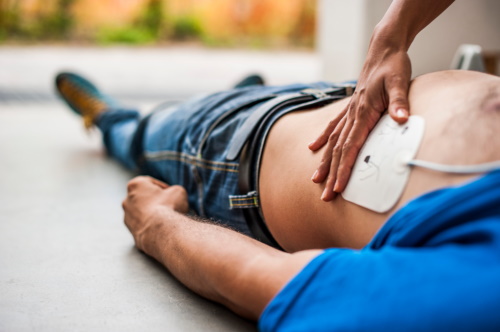

Steps for Using a Public Defibrillator
Ensure safety and security by assessing the environment. Turn on the gadget; it will supply audio instructions. Apply pads as guided by the tool's prompts. Stand clear while it assesses the heart rhythm. Deliver a shock if suggested by the device.Identifying No Breathing: A Crucial Ability for Effective Care
Recognizing when a casualty is not breathing https://garrettyhut522.yousher.com/effective-emergency-communication-techniques-in-australia-connecting-during-crises is essential in starting appropriate lifesaving procedures promptly.
How to Check Casualty's Breathing Effectively
Position your ear near their mouth while watching their breast rise. Look for sufficient air flow; listen for breath sounds. If no breathing is identified within 10 seconds, launch CPR immediately.Taking Switches on Compressions: Making Sure Reliable CPR Delivery
One common mistake amongst rescuers is tiredness during mouth-to-mouth resuscitation compressions. It's essential for teams to take transforms on a regular basis to ensure high-quality compressions throughout resuscitation efforts.

Why Is It Important?
- Compressions need to be provided at a deepness of 2 inches at a proper price of 100-- 120 compressions per minute. Fatigue can lead to reduced effectiveness; therefore, turning every 2 minutes makes sure ideal performance.
Understanding Compression Deepness and Rate in Mouth-to-mouth Resuscitation Techniques
Maintaining proper compression deepness aids circulate blood effectively throughout cardiac arrest scenarios.
Lower Compression Deepness Can Be Harmful!
If compressions are less than 2 inches deep:
- Blood flow might not get to essential body organs effectively. Survival prices lower substantially with improper technique.
The Significance of Slow Compression Rate During Resuscitation Efforts
While speed matters in CPR delivery:
- Compressing gradually can bring about inadequate blood circulation. Aim for balanced compressions at suggested prices while maintaining deepness standards!
Maintaining Calmness Under Pressure: A Key Element of BLS Response
In emergency situations, staying tranquility can have significant impacts on person end results in addition to group dynamics amongst medical care experts associated with care provision.
Techniques for Staying Tranquility Throughout Emergencies
Practice mindfulness methods such as deep breathing workouts prior to responding. Rely on training; trust fund your impulses stemmed from practice scenarios! Focus focus on specific tasks as opposed to overwhelming variables existing during high-pressure situations.Frequently Asked Concerns Concerning BLS Procedures and Protocols
What does BLS accreditation involve?- Certification contains courses covering basic life support methods like CPR, AED use, choking relief approaches customized in the direction of adult/child/infant sufferers in addition to useful assessments demonstrating proficiency!
- It's usually recommended every 2 years; nonetheless policies might differ by organization/region-- inspect locally!
- First analyze responsiveness verbally & & physically before calling emergency solutions if there's no response!
- Yes! They're made especially for nonprofessional usage-- offering voice prompts/guidance based upon individual actions!
- If you're licensed saving a grown-up casualty without indications suggesting they're breathing appropriately after launching mouth-to-mouth resuscitation then carry out rescue breaths every 30 compressions-- list below standard guidelines!
- Absolutely! Always guarantee scene security first & & keep in mind ample ventilation alongside compression quality matters significantly too!
Conclusion
Navigating hospital codes and protocols efficiently can empower Basic Life Support providers to supply timely treatments that save lives! By comprehending vital principles from distinguishing basic vs sophisticated life support strategies with grasping public defibrillator use-- you'll be equipped not just with expertise however also self-confidence called for when reacting promptly amidst situations experienced day-to-day across medical care setups today!
Remember-- the more ready you are ahead-of-time-- the higher impact you'll have when it really counts!
First Aid Pro | First Aid Course Darwin (RTO 31124) is one of Australia’s leading providers of accredited First Aid and CPR training. We specialise in Basic Life Support, CPR & First Aid, Emergency Response, AED, and many other accredited courses. Our training is both convenient and comprehensive, combining online and face-to-face learning options to suit your needs. Keep your first aid certificates up to date with same-day certification upon completion. Plus, find a lower price, and we’ll instantly beat it by 10%! Conveniently located at Double Tree Hilton, Level 5/116 Esplanade, Darwin City, NT 800. Visit our website for course dates, directions and parking details.
First Aid Pro | First Aid Course Darwin (RTO 31124) is one of Australia’s leading providers of nationally accredited First Aid and CPR training. We deliver a wide range of courses, including Basic Life Support, CPR & First Aid, Emergency Response, AED training, and more. Our courses are designed to be flexible and comprehensive, offering both online and face-to-face learning options to suit your needs. You’ll receive same-day certification upon successful completion, and with our Price Beat Guarantee, if you find a lower price, we’ll beat it by 10%! Our Darwin training venue is conveniently located at DoubleTree by Hilton, Level 5, 116 Esplanade, Darwin City, NT 0800. Visit our website to check upcoming course dates, directions, and parking details, and book your spot today.